Media is a constant part of everyday life. From the moment I wake up to when I go to sleep, I interact with different forms of media including social media, news articles, streaming services, advertisements, and audiobooks. For this assignment, I tracked my media consumption throughout a single day and paid special attention to any content that seemed questionable, exaggerated, or potentially misleading.
The goal of this activity was to observe my media habits and practice identifying and fact-checking information that might contain misinformation. Throughout the day, I encountered a mix of entertainment content, advertisements, news, and social media posts. Some of these examples raised questions about credibility and required some further investigation. This is my log.
24-Hour Media Diary on March 28, 2025:
6:00 a.m.
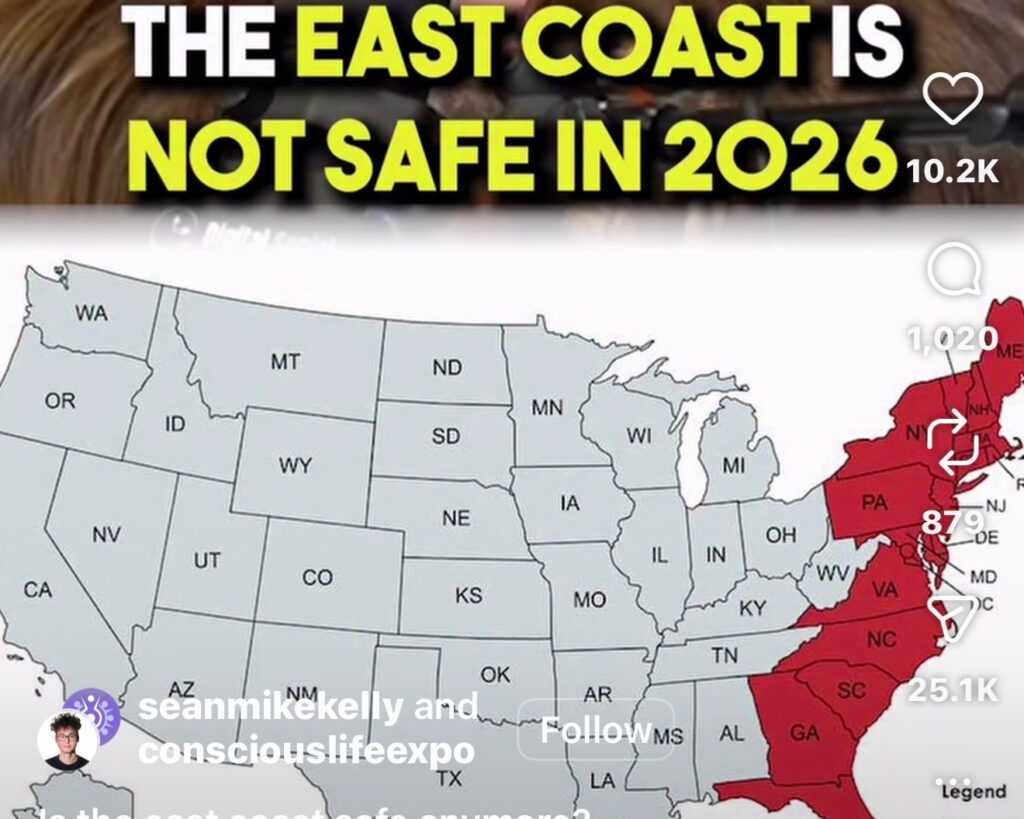
I started my day by checking notifications on my phone while still in bed. A friend sent me an Instagram Reel as a joke because she has been trying to convince me to move back to California since I recently relocated to the East Coast. The video used dramatic language about conditions on the East Coast and felt like fear-mongering content instead of credible information.
6:45 a.m.
Shortly afterward, I saw a post on another friend’s Instagram story that lifted my spirits and even had an article about a family hiking long-distance trails with their children linking directly to the full article, which made it easier to evaluate the credibility of the information.
7:20 a.m.
I took a break from scrolling through social media and instead listened to some news updates while making my bed and brushing my teeth. I opened up Spotify and listened to two short news podcasts: Unbiased Updates and CNN This Morning.
I like to have a couple of sources to compare with, both being known, credible sources, while CNN leans a little left and Unbiased Updates being more centralized.
8:35 a.m.
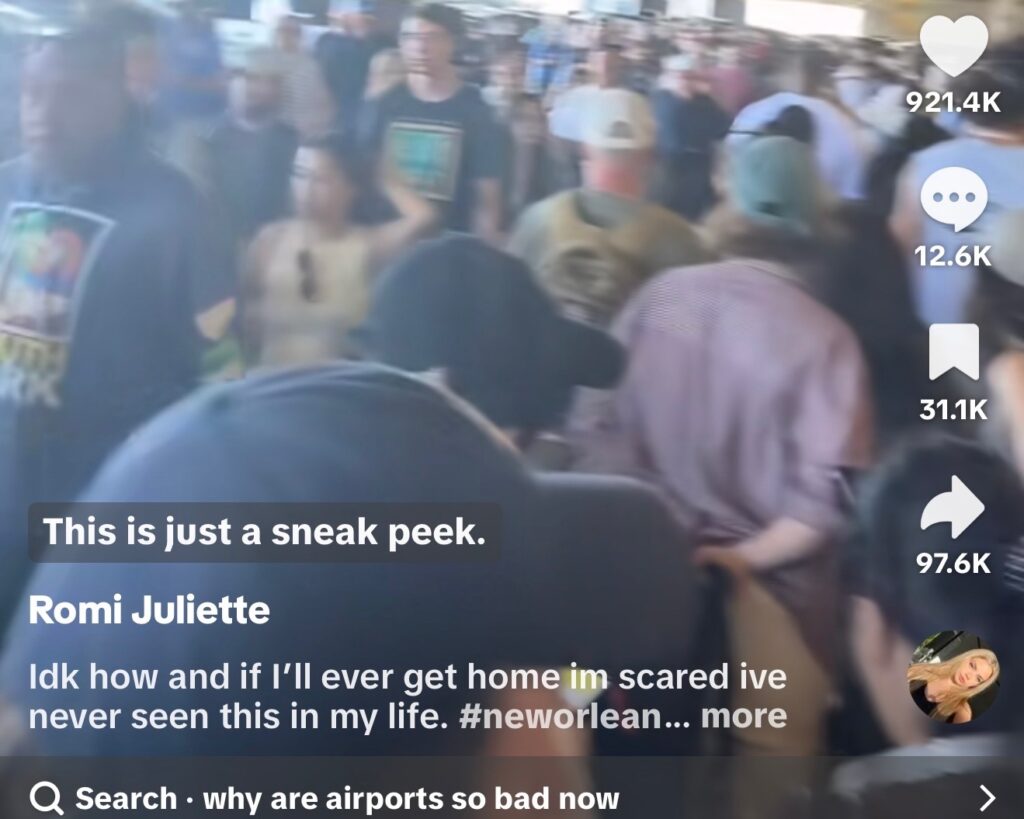
Later in the morning, I opened TikTok because I was looking for ideas for coffee shops to visit and instead, the first video I saw discussed potential airport disruptions and suggested that TSA shutdowns could affect travelers which was also brought up in my news updates. Since I have an upcoming trip scheduled, this video made me nervous and raised more questions about whether the claim was accurate.
4:00 p.m.
After work, my husband and I turned on the TV and saw an advertisement for a new episode of Hot Ones featuring Hilary Duff promoting her new album. It was clearly promotional media rather than news or informational content but, it was just for background while we worked on homework, and it still demonstrates how media consumption includes advertising and entertainment.
6:30 p.m.
While cooking dinner, I opened up my Audible app to listen to my audiobook. This jolted my memory and I recalled seeing discussion online about whether Sarah J. Maas was releasing new books in the A Court of Thorns and Roses series. So I searched TikTok and found a video claiming potential new release dates.
9:20 p.m.
Before going to bed, I opened Instagram again and saw an advertisement for a dog supplement brand called Dog is Human. The ad suggested that the supplements could significantly improve a dog’s health. Because advertisements so often make strong health claims, I wanted to verify whether these supplements were actually safe and beneficial for our pets.
The Content in Questioning
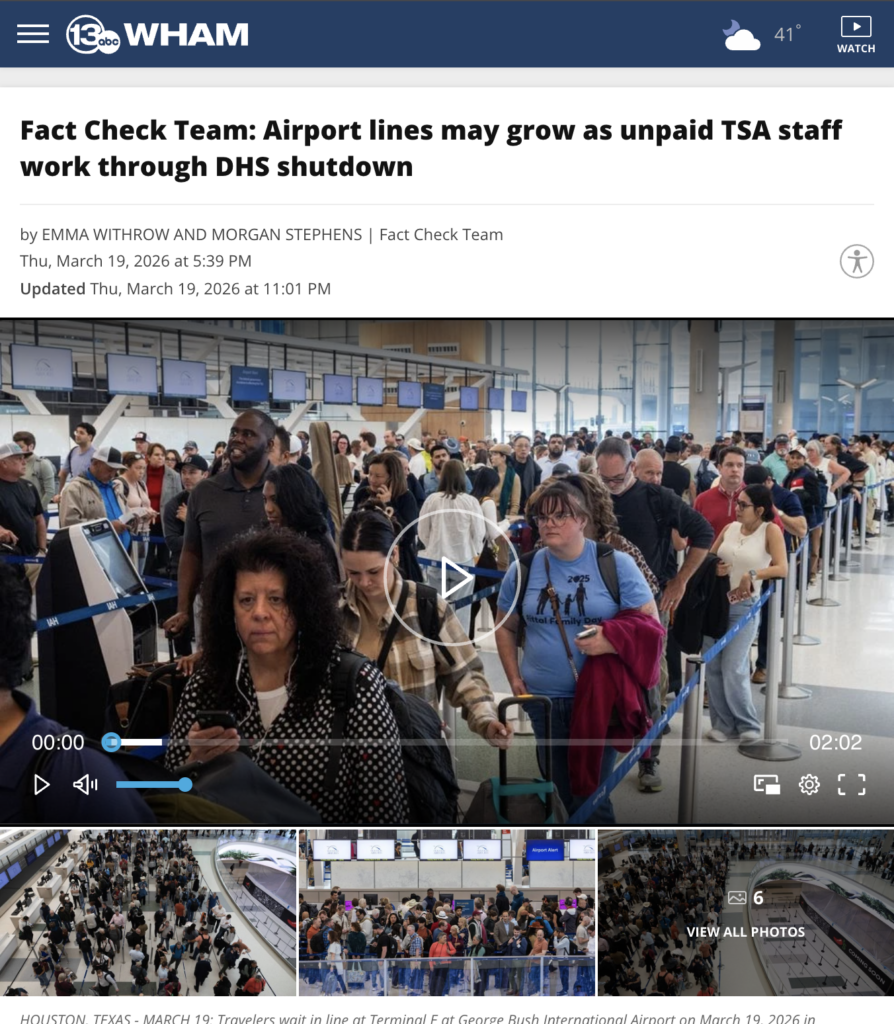
Several examples from my media diary required verification. The TikTok video discussing airport disruptions initially created concern because it suggested that TSA shutdowns might cause major travel problems. However, after reviewing more detailed reporting from news organizations, I learned that while staffing issues can affect airport wait times, the situation is often more complex than a short social media video suggests.
Similarly, the TikTok video discussing new books by Sarah J. Maas illustrates how social media can spread rumors or speculation. Checking the author’s official website helped confirm which information was accurate and which claims were simply fan speculation (and I am beyond thrilled this proved true!).
The advertisement for dog supplements also raised credibility concerns. Advertisements often emphasize benefits without clearly explaining potential risks. By consulting information from veterinary organizations and product reviews, I was able to get different perspectives leaving me still in question and also more insightful to marketing ploys.

These examples demonstrate how misinformation doesn’t always come in the form of completely false statements. Sometimes, it can appear as exaggerated claims, incomplete information, biases, or content just flat-out lacking credible sources.
Reflection
Tracking my media consumption for 24 hours helped me realize, not only how often I get sidetracked, (a lot..oops), but also how frequently I encounter potentially misleading information online. There were so many questionable examples that appeared on my social media apps like TikTok and Instagram. These are the unexpected suspects because they’re perceived as outlets of entertainment and the short videos and advertisements often simplify complex topics.
Another pattern I noticed is that emotionally charged or alarming content tends to capture attention a lot quickly. For example, the TikTok video I watched about airport disruptions flared up anxiety about travel before I even had the chance to verify the information for myself. This demonstrates how easily misinformation or exaggerated claims can influence perceptions.
This activity also reminded me of the importance of checking multiple sources before accepting a claim as matter of fact. By looking at official websites, credible news sources, and expert organizations, it becomes much easier to evaluate whether information is trustworthy, credible, or valid.
Overall, completing this media diary helped me become more aware of how I interact with media on a day-to-day basis. It also reinforced the importance of media literacy and fact-checking in today’s digital age.